

SUPERSTUFF AGENCY FEATURE · 808
808 writes, directs, animates and finishes everything under one roof, for brands like Kotak, CRED and Air India. Its founders have a few things to say about craft, AI, and why most launch films lose their nerve somewhere between the brief and the edit.
Most brands treat production as the last mile. The idea gets decided in one room, then handed to another to "make it look premium". By the time it reaches the person rendering the frame, nobody remembers why the idea mattered.
808 was built on the opposite belief. Craft isn't where you polish an idea. It's where the idea either survives or dies. So the studio does all of it in one place: strategy, idea, script, production and post. It's how a metal debit card, an expense app and a solar panel end up looking like a piece of cinema.
Two houses, one room
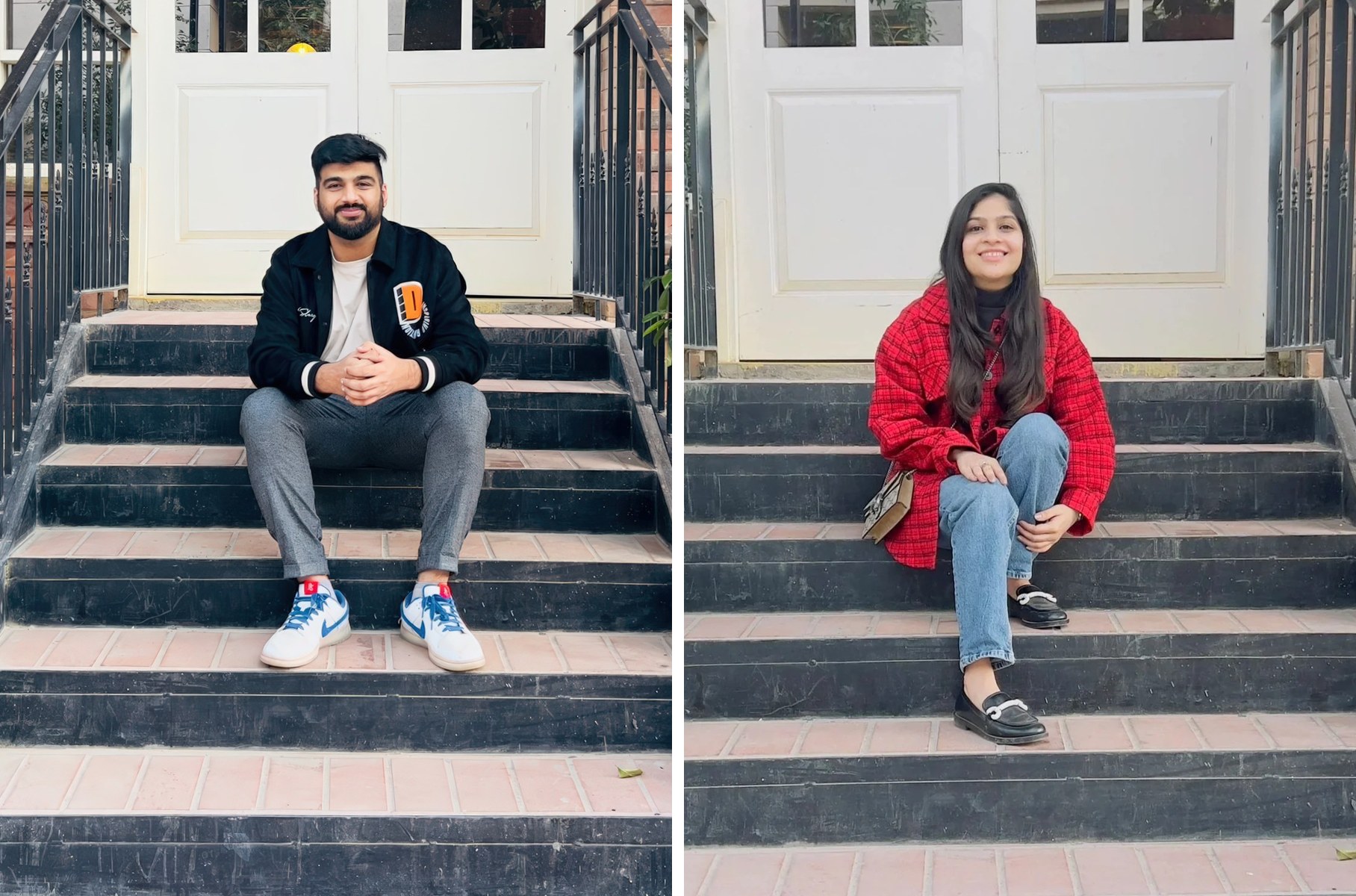
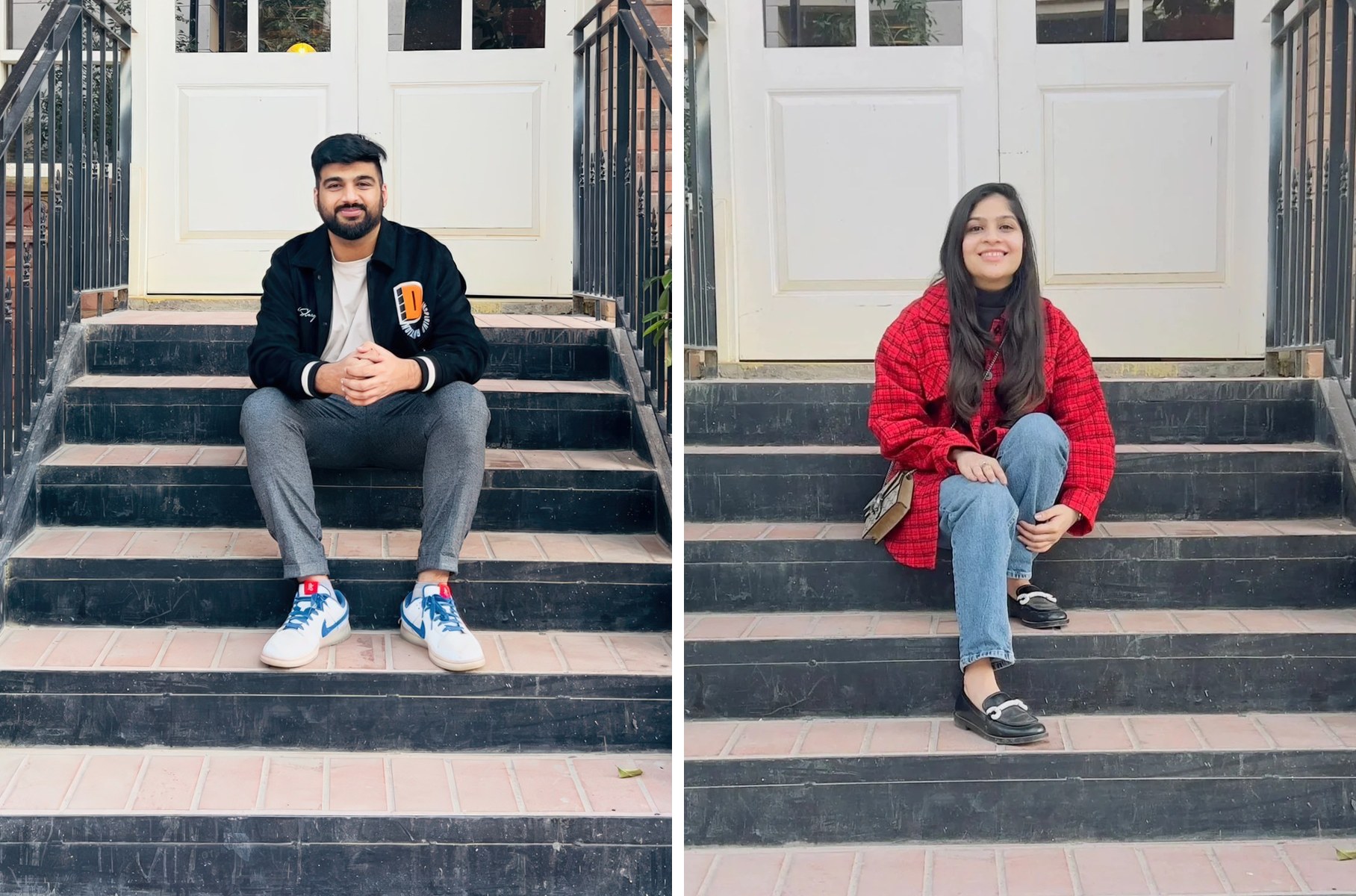
Nipun Sood and Mahima Bachhawat came up in motion design and 3D filmmaking for brands, and kept running into the same gap. Agencies did the thinking and outsourced the making. Production houses did the making and waited for someone else's brief.
"Somewhere between the two, the work lost its soul. Every handoff waters the work down a little. The strategist's nuance doesn't survive the brief, the brief doesn't survive the treatment and the treatment doesn't survive the edit."
So they built a studio where the person who writes the line also cares about the last frame. On paper, Nipun is the "Right Brain", with a decade in advertising that he once summed up in fifteen words, starting with Draper and ending with Fin. Mahima is the "Left Brain": a producer by trade and a strategist by reflex, who turns "imagine if" into a shoot date and a delivery link.
The work runs across four disciplines that sit side by side rather than in sequence:
- Film: brand films, written, directed and finished in-house.
- Motion: 3D, CGI and motion design, where products become the protagonists.
- Design: identities and visual systems that hold a brand together across every touchpoint.
- AI Labs: a research arm that tests new generative tools against filmmaking instincts.
The name says a lot about the bar they set. 808 is a nod to the Roland TR-808, the drum machine that flopped commercially at launch and went on to shape hip-hop, pop and electronic music for decades. "It wasn't the most realistic machine. It was the one with the most character."
Products with no natural drama
Ask 808 for its superpower and the answer is short: making ideas look like cinema.
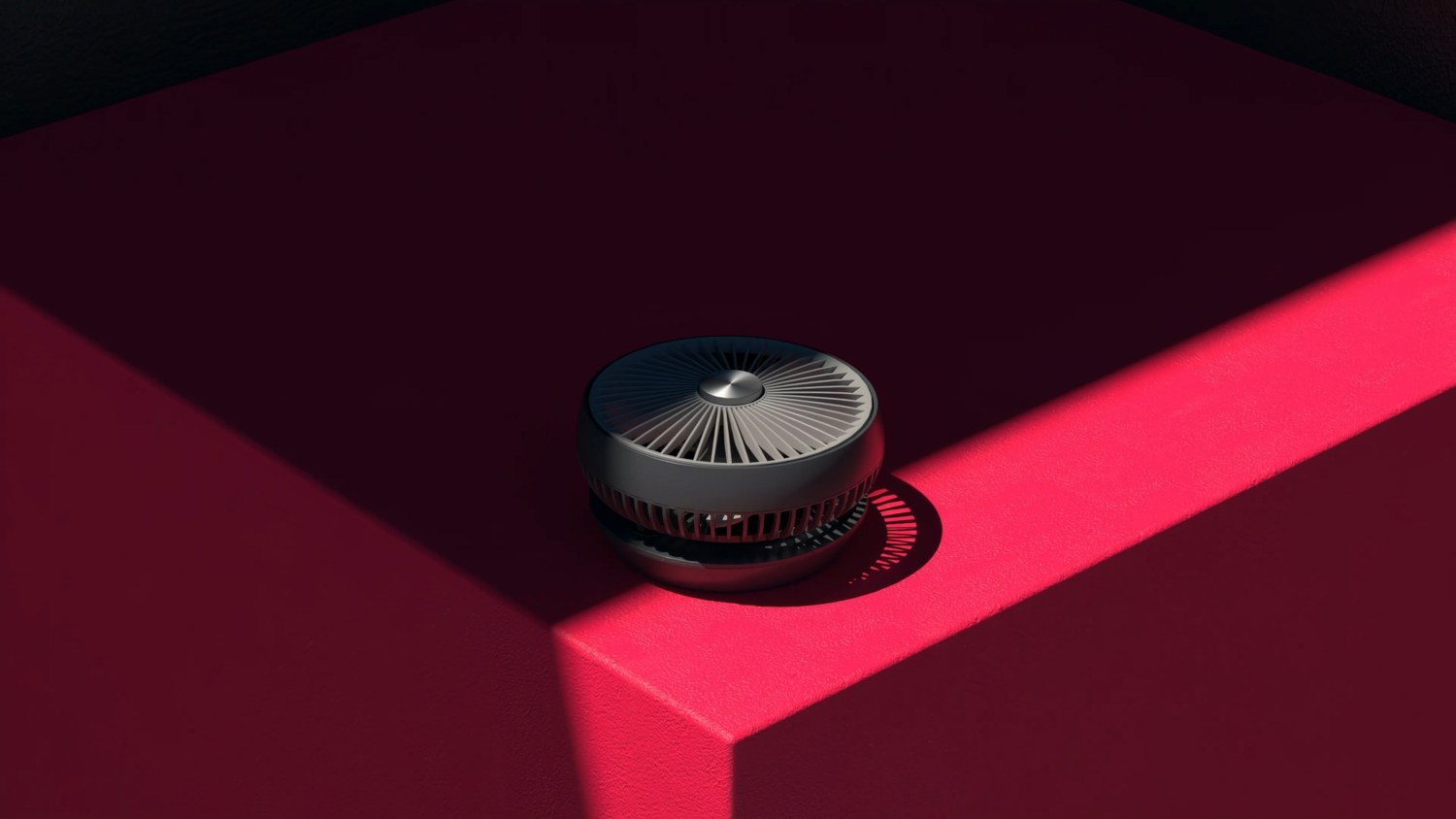
That matters most for products that don't photograph well. You can't shoot a great close-up of a feature or a benefit. So 808 builds worlds for them. And because the creative and production teams sit in the same room, the world imagined on day one is the world that turns up in the final delivery.
It wasn't always the plan. The founders used to believe their moat was rendering: be the best 3D team in the room and the work would sell itself. The briefs changed their minds. Clients kept arriving with a problem rather than a script. How do we launch a card people can't hold yet? How do we make an expense app feel human? How do we make solar energy interesting?
"They were never really buying the animations. They were buying the thinking that made the render worth making."
Kotak 811: premium, in your colour
The clearest example is a launch most banks would have made forgettable.
Kotak 811 was adding four new colours to its metal debit card (Rose Gold, Gold, Black and Red) alongside the original Silver. Same card, same features. The only thing new was the colour. And banking launches tend to look alike: a card spinning in a void, a list of benefits, a call to action.
808 reframed it from a product update to a personal choice. Premium used to mean one finish; now it means your finish. So the card was treated like a luxury object rather than a bank product, with the visual language of a flagship tech reveal. Every frame was about colour, material and light. The metal had to feel heavy, the finish had to feel real, and each colour needed its own personality.
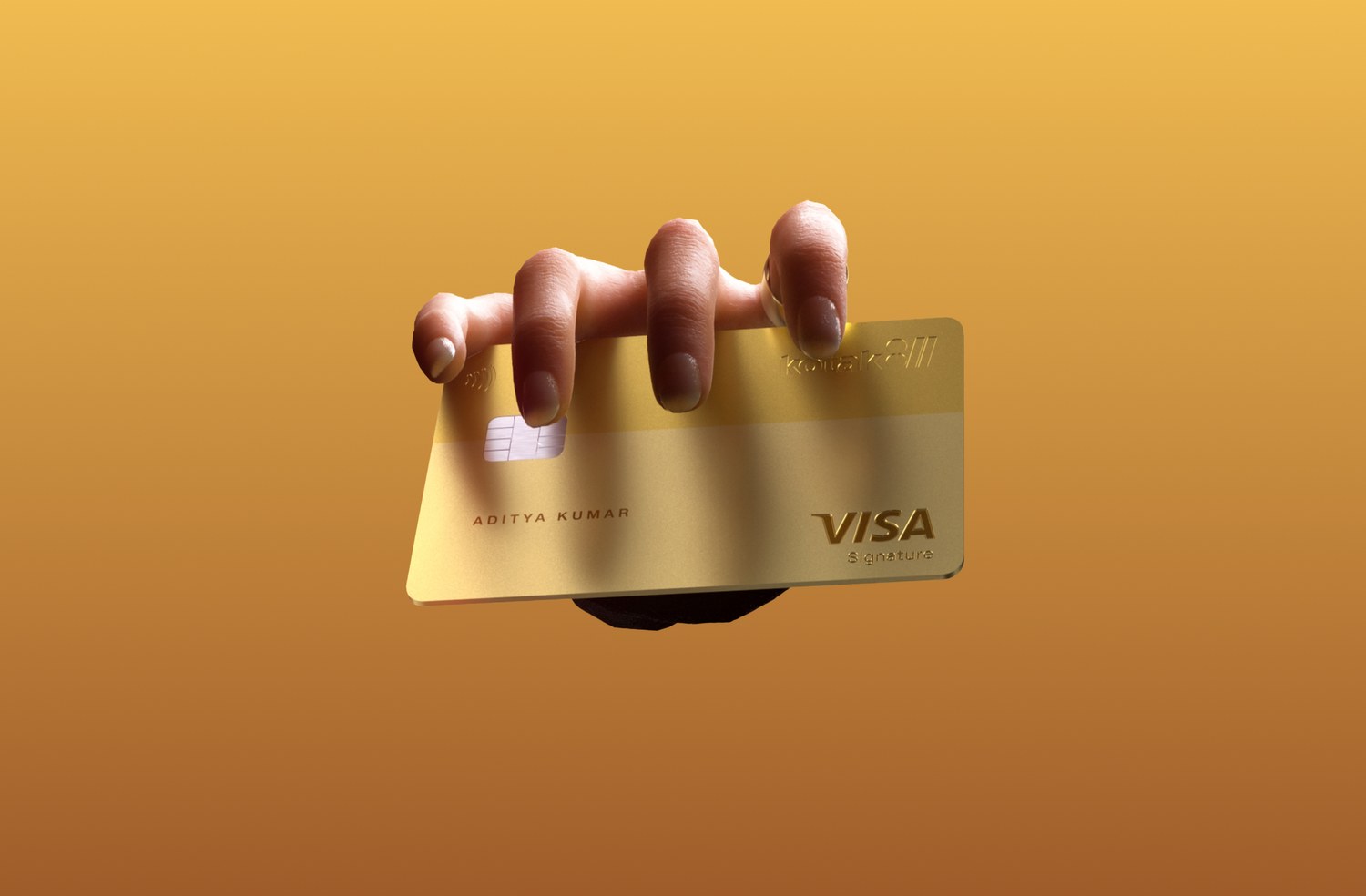
Before committing to production, the team worked through several storyboard rounds and A/B tested the core concepts with AI. Then they built everything in Cinema 4D, down to the bevels, reflections and surface finish, with an industrial, orchestral-electronic score made to sound as metallic as the card looks.
The rollout was designed as a system, not a single film:
- a teaser to build anticipation
- a 30-second hero reveal
- five individual colour films for social
As the studio puts it on its own site, "Restraint, in this category, is the loudest flex."
One hero film isn't a launch
The Kotak rollout points to the mistake 808 sees brands repeat most often: making one hero film and treating everything else as cutdowns.
"A launch today is a system: a teaser that builds curiosity, a hero film that pays it off and individual pieces that live natively on each platform. When it's chopped out of a 60-second film after the fact, you get fifteen versions of the same compromise."
Two habits make that system work. First, argue about the idea while arguing is cheap. 808 now tests concepts with AI frames and rough motion before committing to renders or recces, and spends obsessively on craft only once the idea has earned it. Most teams do the reverse, and over-invest in polish before the thinking is validated.
Second, bring the makers in at the brief, not at the production stage. Their best ideas, they say, came from knowing what's possible in a frame, a shot or a beat. "When the people who make the work help shape the problem, you get ideas that are actually buildable and builds that actually carry the idea."
When making gets cheap
808's view of the future starts with a simple observation: production is about to become abundant. AI image and video tools mean anyone can generate a beautiful frame in minutes.
When making things gets cheap, the scarce resources become the idea, the direction and the taste to know which of a thousand options is right. Their advice to marketers: stop buying "output" and start buying judgement. At 808 AI Labs, every frame passes through filmmakers before it reaches a client, "which is why the work looks intended rather than generated".

Here's how they're preparing:
- AI as craft augmentation, not replacement. AI tools now sit alongside Cinema 4D and DaVinci Resolve in the pipeline, used to test ideas faster and explore more routes. The final craft still gets the human obsession it deserves.
- Building their own workflows. 808 has developed in-house methods for things off-the-shelf tools don't do well yet, like Hindi lip-sync for AI video, which matters for brands talking to India in its own languages.
- Going global. The studio is taking the same standard to fintech, SaaS and tech brands beyond India.
Some lessons came the hard way. "The scope you don't write down is the scope you'll end up doing for free," they say, after early contracts with unlimited revisions and vague payment terms. Clarity, it turns out, isn't the opposite of a good relationship. It's what protects one. And relationships move with people: someone you did great work with at one company often becomes your client at the next.
Ask what will matter more in three years, and the answer is one word:
"Taste. When everyone has access to the same tools, the only real difference is who's deciding what's good."
It fits the belief they built the studio around: make things that last longer than Tuesday. Trends decay. Craft and thinking compound, for the brands 808 works with and for 808 itself. Not the most realistic machine, in other words. The one with the most character.
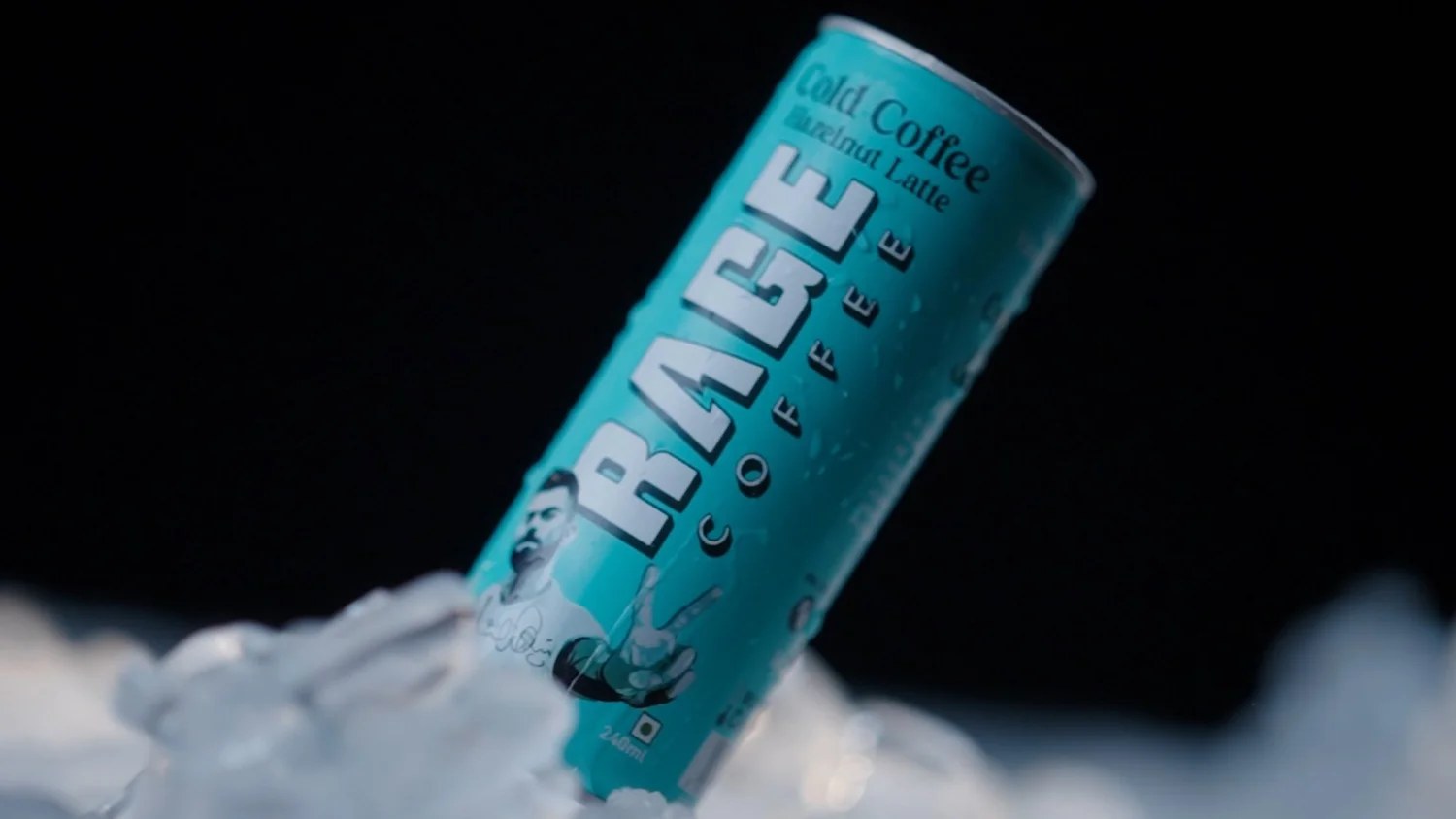
About 808: An independent creative studio working across film, 3D motion, design and AI, led by Nipun Sood and Mahima Bachhawat. Clients include Levi's, YouTube, Airtel, Dabur, Kotak 811, CRED, Air India, Abbott, Revlon, Mankind, AngelOne, Kapiva, Rage Coffee and RingCentral.
Awards include afaqs! Foxglove, the Kyoorius Design Awards and the Paul Writer Awards. See their work on 808's super.page.
This feature is part of SuperStuff's agency series, profiling the partners we work with often. Looking for an agency like this? Tell us what you need.


